 BrightPath Academy
Fitting · Insights
Why both feet should be measured every time
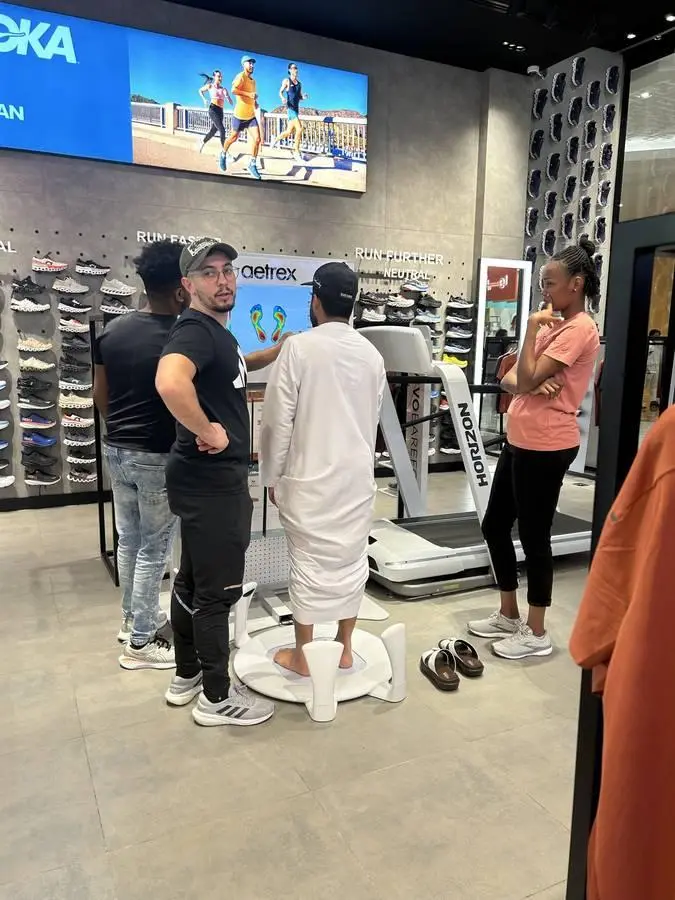
Ask most customers their shoe size and they will answer instantly. The number is usually years old, and it usually describes only one dimension of one foot. A professional fitting starts by measuring both feet, standing, every time.
Feet are rarely identical
It is common for one foot to be slightly longer or wider than the other. Because a shoe that is too short or too narrow causes far more discomfort than one with a little extra room, the rule is simple: fit the larger foot, then use lacing or an insole to fine-tune the other side.
Feet change over time
Feet tend to lengthen and widen gradually through adulthood, and they can change after weight changes or pregnancy. Feet also swell slightly over the course of a day, so a fitting later in the day often reflects how shoes will feel by the evening. A size that fitted five years ago is a starting point, not an answer.
What a good measurement includes
- Length of both feet, measured standing with weight evenly spread.
- Width across the ball of the foot.
- A look at the shape of the toes and the height of the instep.
- A conversation about where current shoes feel tight, loose or uncomfortable.
Then try, compare and choose
Measurements narrow the options. The final decision comes from the customer walking in the shoes, comparing them with their current pair and describing the difference. That is why the BrightPath standard ends every fitting the same way: try, compare, choose.
General information for footwear and front-of-house teams. It is not medical advice; anyone with foot pain or a health concern should see a qualified clinician.
Explore the courses